3 Reasons ‘Pressure’ Stands Out in a Crowded WWII Genre
Movies

Audio By Carbonatix
By Michael Foust, Movies
It Tells a Little-Known Story
Only the most devoted students of World War II history know the true story on which it was based. Pressure brings that forgotten chapter to the general public – and delivers tension every bit as gripping as the battlefield epics that dominate the genre.
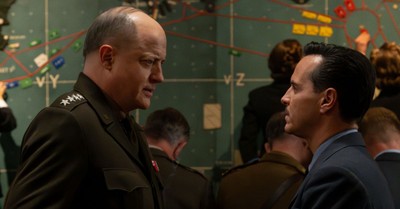
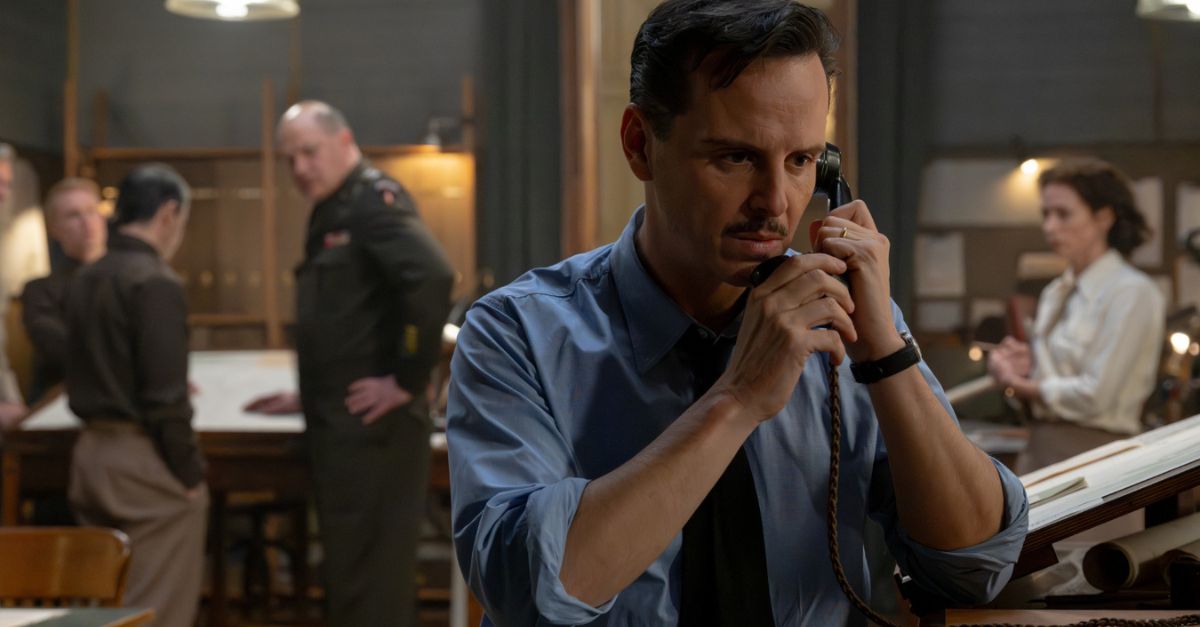
Set in the tense hours leading up to the Allied invasion of the beaches of Normandy – when Nazi forces occupied France – Pressure spotlights a clash between two forecasters: Scotland’s James Stagg and America’s Irving P. Krick, two men with dramatically different approaches to predicting the weather. Krick relied heavily on historical weather patterns – methods similar to those found in the Farmer’s Almanac – believing the past offered clues about the future. Stagg, by contrast, dismissed such thinking as nonsense, insisting that accurate forecasting depended on tracking weather systems thousands of miles away and studying conditions high in the atmosphere through weather balloons.
The outcome of the war may have depended on it. The D-Day invasion involved hundreds of thousands of U.S. and Allied troops storming the beaches of Normandy by air and sea – a massive operation that Stagg warned could end in catastrophe if the Allies stuck to the originally planned date of June 5. He predicted rough seas, powerful winds, and dangerous storms across the English Channel that would make a landing perilous for troops and equipment alike.
Had the Allies landed June 5 and the invasion failed, director Anthony Maras told Crosswalk, “We might have been living in a world where Europe was Soviet or where Europe was German or where it’s a combination of the two.”
Photo Credit: ©Focus
It’s Surprisingly Tense and Gripping
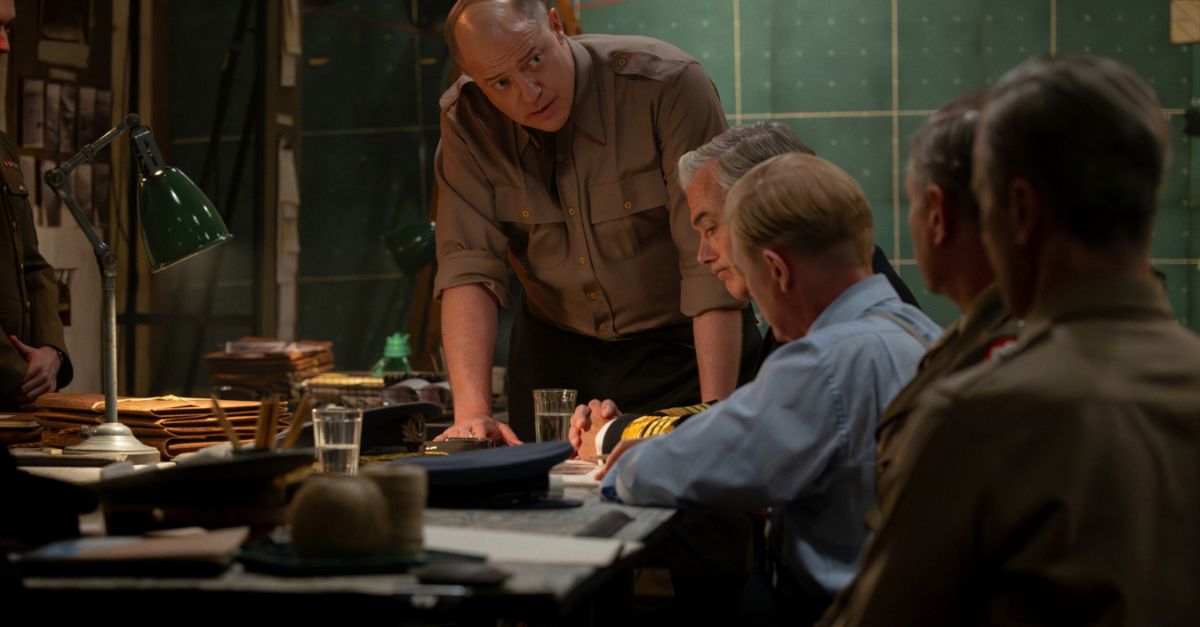
Pressure has few battle scenes but sustains the tension through a high-stakes debate over a weather forecast that could alter the course of the war – and through a series of tense meetings among Allied leaders that pit Stagg not only against Eisenhower and top military officials but also against Krick, whose off-putting confidence is rooted in past successes, including a correct forecast during the previous North Africa campaign.
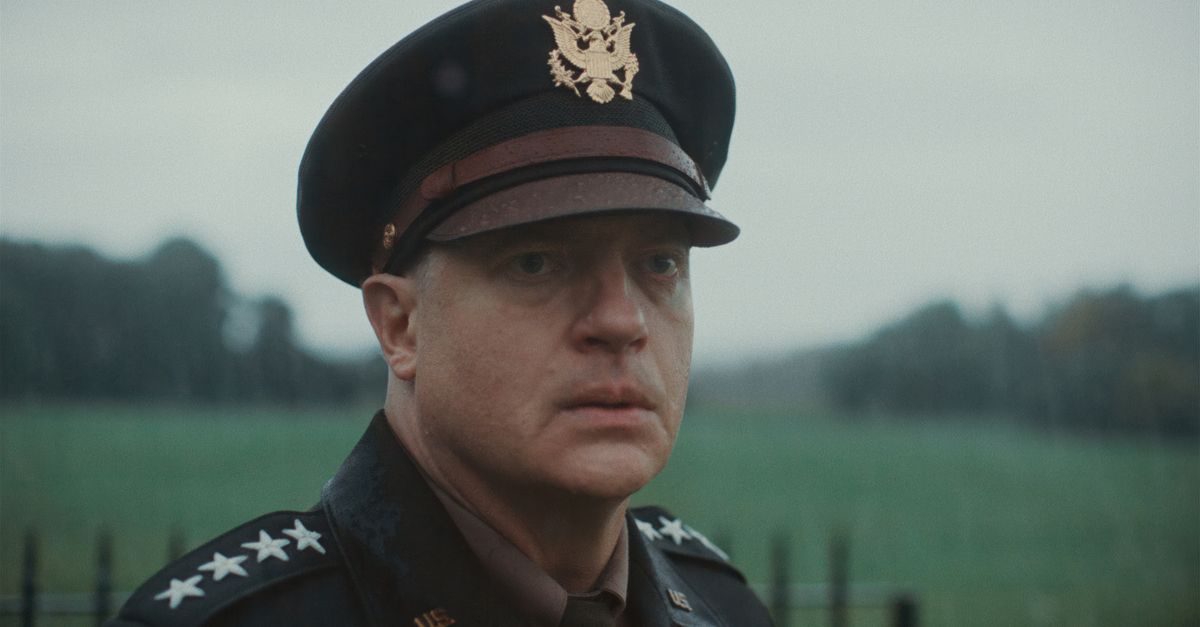
Eisenhower has confidence in Krick and respects his track record, but he also places considerable trust in Stagg, knowing the Scottish forecaster came highly recommended by Churchill.
Several of Eisenhower’s top advisers warn that any delay could spell doom for the Allies.
“If D-Day is canceled, we will lose this war,” one of the top military officials tells Stagg. “Do you want to be personally responsible for losing this war?”
Adding to the tension: It’s sunny outside the offices of the Allied bunker, with calm conditions and few clouds. Those same military leaders continually press Stagg with the same question: Do you really expect us to believe a major storm is coming?
The plot sets up a gripping dilemma: Delaying the invasion could spell doom, but so could moving ahead in dangerous weather conditions.
The decision ultimately rests on the shoulders of Eisenhower, the Allied commander.
Photo Credit: ©Focus
Its Message Still Resonates Today
The film’s turning point comes midway through the story, when an anxious, visibly shaken Stagg stands before Eisenhower and a room full of military brass – all dressed in their uniforms – delivering a message they do not want to hear: Countless soldiers likely will die if the invasion moves forward as planned. As he speaks, sunlight beams down on the building, making his grim forecast seem almost impossible to believe.
Stagg may not possess Krick’s confidence, but he has the facts on his side.
“If you invade tomorrow, you're going to be washed away – because the storms that I'm talking about are real, and the jet stream that's propelling them towards the Normandy coast is real, and the wrath of nature is real,” Stagg says.
With a handful of his advisors still demanding an invasion date of June 5, Eisenhower makes the call: D-Day will be delayed.
Pressure offers powerful lessons for modern society about courage in leadership, about speaking truth to power, and about accepting hard truths even when they conflict with what we want to hear. Our echo-chamber news culture often tempts us to believe only the information that confirms our assumptions. Pressure offers a more realistic reminder: Facts don’t change simply because they are inconvenient.
The film is not without its flaws, particularly for families, due largely to its inclusion of strong language (details below).
But for fans of real-life stories based in history, Pressure is hard to beat.
Rated PG-13 for war violence, bloody images, some strong language, and smoking. Language details: GD (4), misuse of “Jesus” (2), s–t (2), a-ss (1), h-11 (1).
Entertainment rating: 4 out of 5 stars.
Family-friendly rating: 3 out of 5 stars.
Photo Credit: ©Focus